Reading time: 8 minutes
Summary
Long regarded as a key ingredient in dietary supplements designed to manage cholesterol, red yeast rice (Monascus purpureus) is now subject to significant regulatory restrictions in Europe.
Faced with these restrictions and bans, laboratories, formulators and manufacturers are seeking effective, safe and regulatory-compliant solutions for maintaining healthy cholesterol levels.
Among the most promising nutritional active ingredients, phytosterols stand out as the benchmark functional alternative.
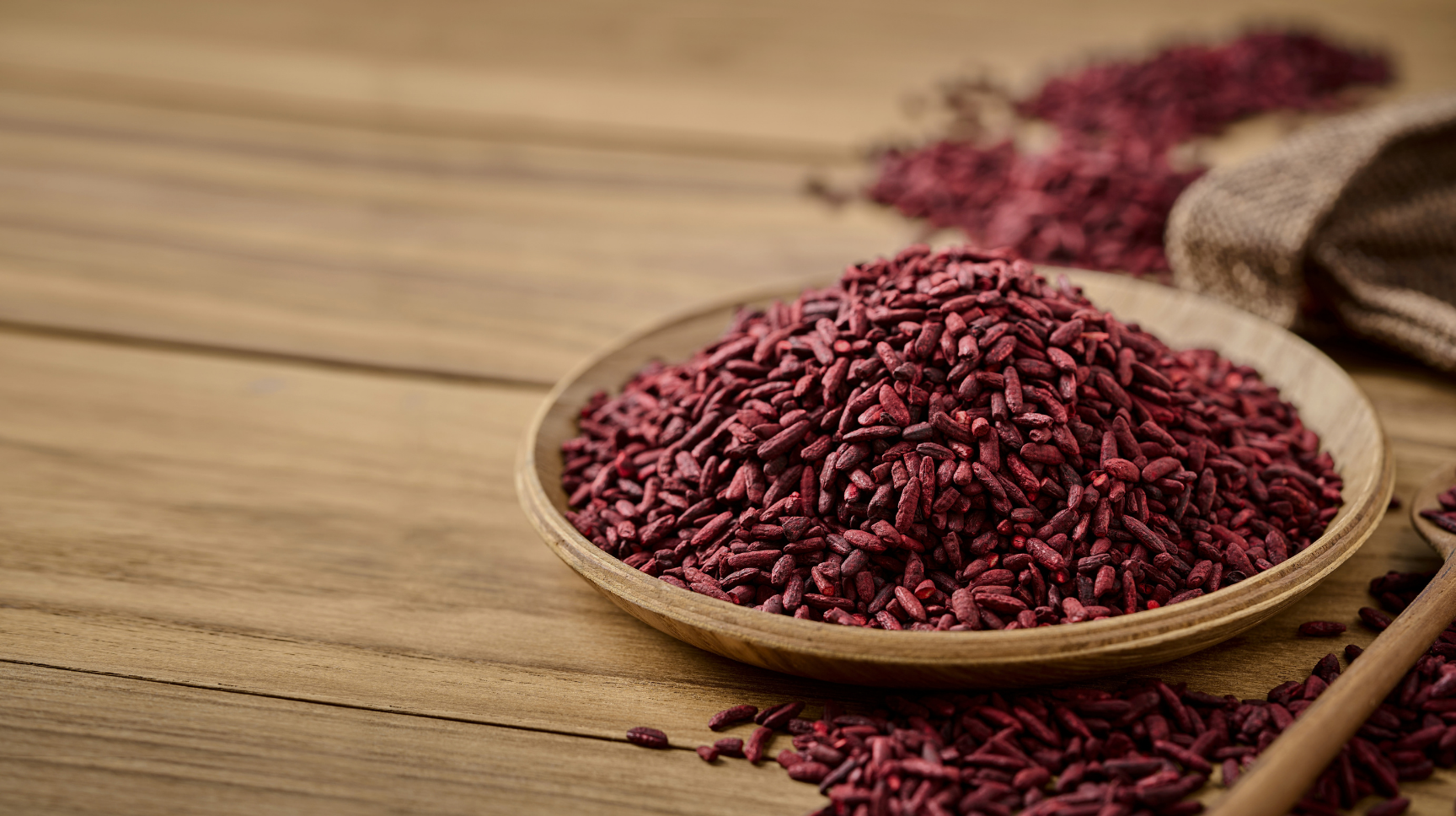
Red yeast rice is produced by the fermentation of a microscopic fungus, Monascus purpureus, grown on rice. Used for centuries in traditional Asian medicine, as well as a natural colouring agent and flavour enhancer, it has gradually been incorporated into dietary supplements for its cholesterol-regulating properties.
During the fermentation process, Monascus purpureus produces characteristic pigments, but above all secondary metabolites known as monacolins.
The most widely studied is monacolin K, a compound that is chemically and biologically identical to lovastatin, an active pharmaceutical ingredient used to regulate cholesterol.
As monacolin K has the same chemical structure as statins, it offers the same benefits and, more importantly, the same drawbacks, and may cause side effects such as myalgia (muscle pain), rhabdomyolysis or liver damage, particularly in susceptible individuals or in the event of drug interactions.
Furthermore, depending on how well the fermentation process is controlled, Monascus purpureus can synthesise a nephrotoxic mycotoxin, citrinin, which necessitates very strict quality and purity controls during manufacture.
European regulations on red rice yeast have changed significantly.
In order to ensure consumer safety and harmonise the regulatory status of food supplements and medicines, the European Commission has published a draft regulation aimed at imposing a total ban on red yeast rice in food supplements: SANTE/10862/2018-EN CIS
In light of these regulatory constraints, reformulating product ranges for cardiovascular health and cholesterol management is becoming a strategic priority for dietary supplement brands.
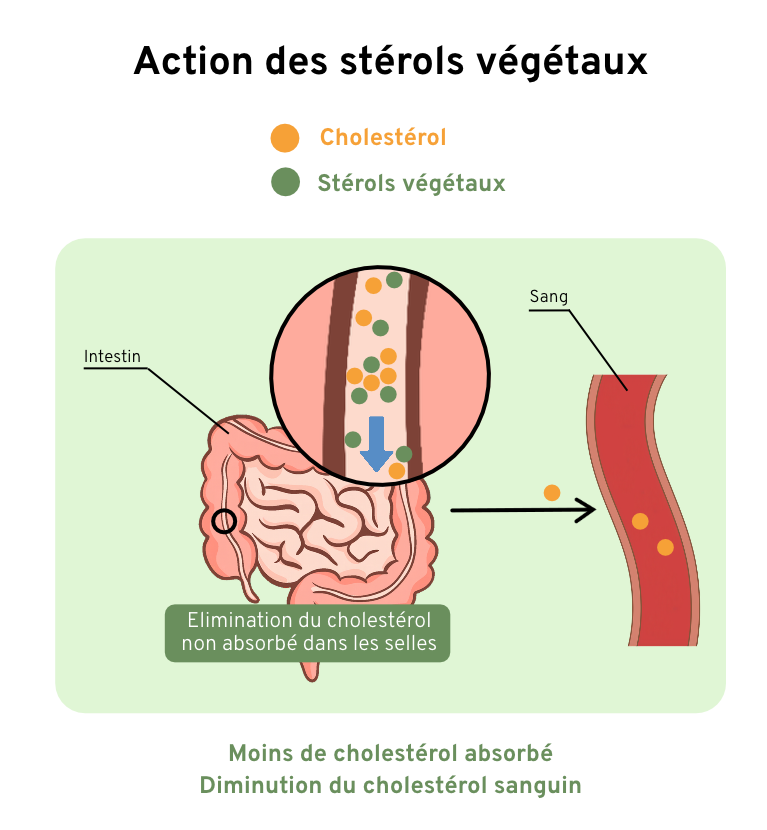
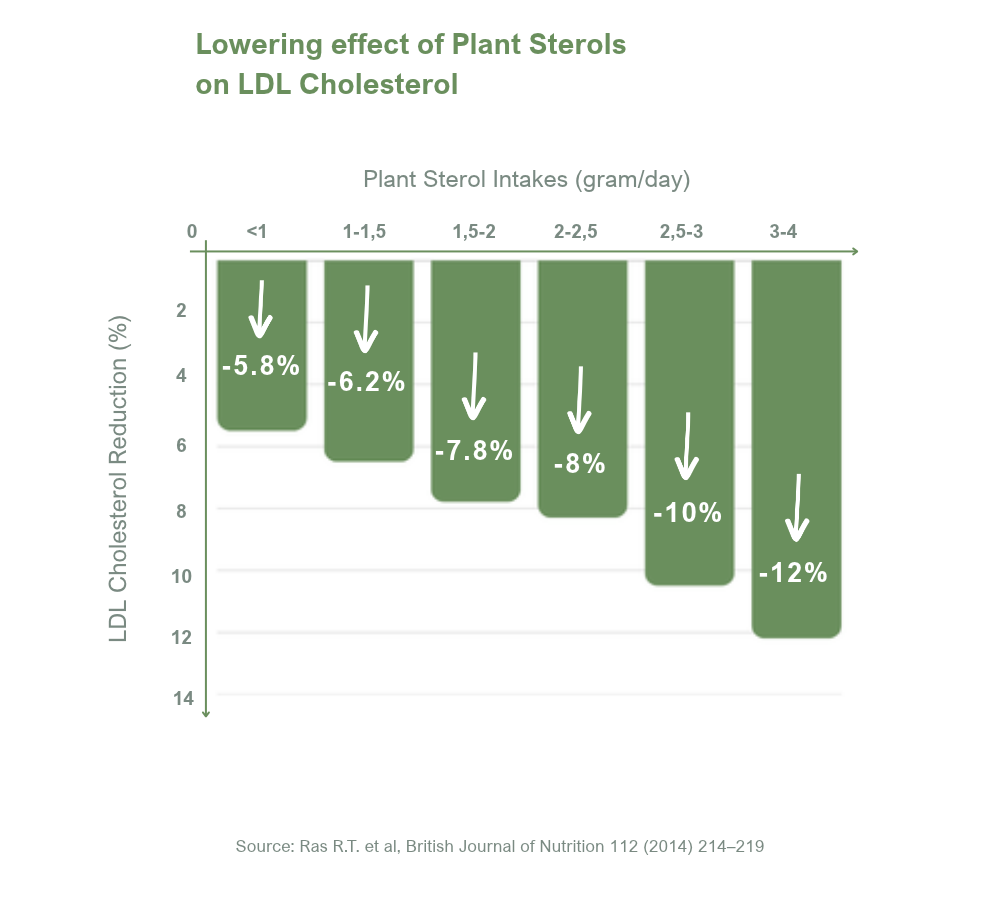
Phytosterols occur naturally in vegetable oils. Because they are similar to cholesterol, they can inhibit its absorption in the gut.
Unlike monacolin K or statins, which inhibit synthesis in the liver, phytosterols act exclusively within the intestinal lumen:
Phytosterols offer key benefits for nutraceutical brands:
In light of the new restrictions on red yeast rice, phytosterols are emerging as a reliable alternative for maintaining normal cholesterol levels.
Drawing on its expertise in nutritional lipids and phospholipids, Novastell supports manufacturers in developing innovative, high-performance formulations that comply with regulatory requirements.
Are you looking to develop a new solution for cardiovascular health? Contact our teams to find out which Novastell solutions are best suited to your project.
– Schmidt K. et al, Clinical Nutrition ESPEN (20418) in press
– Manor I. et al, European Psychiatry 27 (2012) 335–342
– Hirayama S. et al, Journal of Human Nutrition and Dietetics 27 (2014) 284-291
– Merolli A. et al, Molecules 14 (2009) 5367–5381
– Wu Z. et al, The Journal of Immunology 184 (2010) 3191-3201
– Bjarnasson I. et al, Gastroenterology 154 (2018) 500-514
– Stremmel W. et al, Digestive Disease 30 (2012) 85-91
– Bond P., Nutrition & Metabolism 14 (2017) 12-2