
Take control of inflammation with marine phospholipids and ω-3

Longevity is one of the main applications presently highlighted in food supplements, aiming at protecting global health during aging through nutrition.
A decreased efficiency of metabolic controls can explain the appearance of the so-called Inflammaging: a chronic low-grade inflammation impacting health, leading to chronic pain, degraded quality of life and increased morbidity.
What will be the solution to premenstrual syndrome in 2026?

Unexplained tiredness, irritability, bloating, mood swings… Every month, millions of women experience these symptoms without necessarily realising that they are linked to a clearly identified biological condition: premenstrual syndrome (PMS).
Phosphatidylcholine Supplier: Why choose Novastell’s ingredients to develop your food supplements?

The global market for dietary supplements and health nutrition is evolving rapidly. Faced with consumers who are increasingly demanding in terms of efficacy, traceability and naturalness, dietary supplement brands and their manufacturers (CDMOs) must rely on effective ingredients of the highest quality.
Among these key active ingredients, phosphatidylcholine has established itself as an essential component.
What are the alternatives to CBD?

On 15 April 2026, the French Directorate-General for Food (DGAL) confirmed that CBD is classified as a Novel Food and is therefore no longer authorized for use in food supplements. As a result, products containing CBD intended for oral consumption must be withdrawn from the market.
The endocannabinoid system: How it works and its benefits
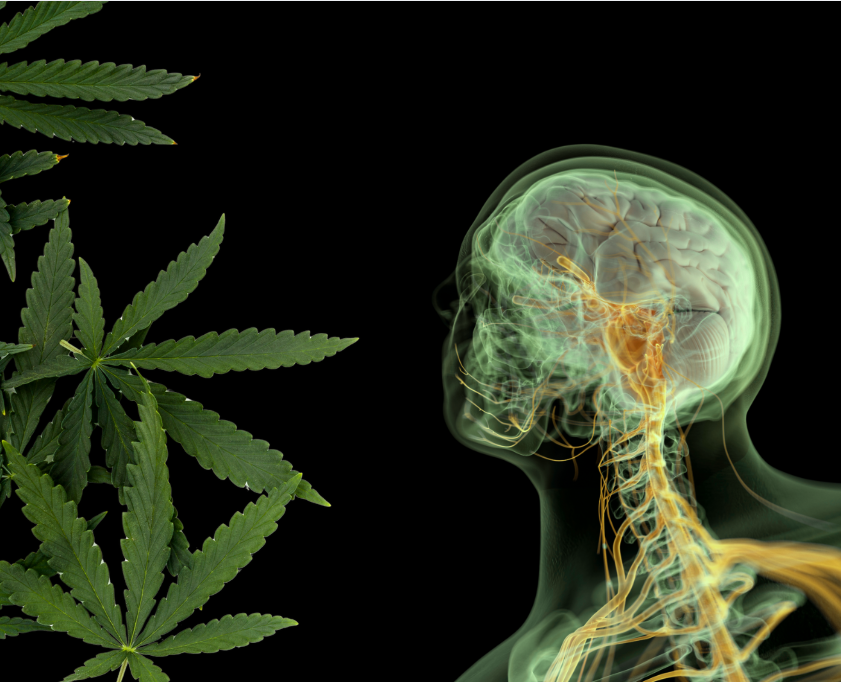
Cannabis is the most widely used illicit substance in the world and the one on which public authorities find it most difficult to take a stance. Between total prohibition and legalisation, the spectrum is very broad and changes regularly.
However, behind cannabis and illicit substances lies a little-understood biological system: the Central Endocannabinoid System, or CES.
Choline for the brain, but which type of choline?
Choline is essential for the development and functioning of the nervous system. A daily intake of choline through the diet is vital, particularly during periods such as pregnancy, breastfeeding and the first few years of a newborn’s life.
Choline is available in various forms, either free or bound. Beyond the quantity, it is undoubtedly worth considering the form in which it is consumed.
Is the form obtained from food the same as that which nourishes the brain? Certainly not, and the importance of phosphatidylcholine deserves to be emphasised.
Phosphatidycholine : an essential molecule at the core of our health

Phosphatidylcholine holds a central role among phospholipids. Present in both animal and plant organisms, it is the most abundant phospholipid in living systems. This ubiquity reflects its fundamental biological importance and the essential functions it performs.
Minor lipids

Phospholipids occupy a paradoxical position in human nutrition. Although they are present in foods at relatively low concentrations and are not routinely quantified in dietary monitoring systems, their absence from the diet could have significant physiological consequences.
Tocopherols

It is actually more accurate to speak of tocopherols in the plural. They form a family of closely related lipid compounds with a wide range of properties.
From protection against oxidation to the stabilization of cell membranes, and from technological functionality to their essential role as a source of vitamin E, tocopherols each make a valuable contribution to our diet.
All about fatty acids
Fat is often said to be bad for health. However, what is generally overlooked is that fatty acids, the main components of fats, are essential to our bodies. As is often the case, it is all a matter of quality and balance.
In this article, we will explore what fatty acids really are, why they are essential to our bodies, and how to distinguish the “good” ones from the “less good” ones. We will also look at how they are classified into different families, where to find them in our diet, and their impact on our health. You will also discover how they function in the body, their main uses, the criteria to consider when choosing high-quality fatty acids, and finally, how to properly incorporate them into your diet.
Whether you are simply curious, passionate about nutrition, or a professional in the field, this article will provide answers to your questions.