 Reading time: 8 minutes
Summary
Unexplained tiredness, irritability, bloating, mood swings… Every month, millions of women experience these symptoms without necessarily realising that they are linked to a clearly identified biological condition: premenstrual syndrome (PMS).
Long downplayed or trivialised, this condition nevertheless affects the vast majority of women to varying degrees and can, in some cases, have a real impact on quality of life, mental wellbeing and even performance at work.
Gaining a better understanding of PMS, its mechanisms and its prevalence is now essential in order to recognise it more effectively… and, above all, to manage it more effectively.
A comprehensive and natural remedy for the symptoms of premenstrual syndrome

Premenstrual syndrome (PMS) is a common condition characterised by a range of physical and emotional symptoms that generally occur during the luteal phase of the menstrual cycle, one to two weeks before menstruation, and then disappear once menstruation begins.
Worldwide, up to 90 per cent of women of childbearing age report experiencing at least one premenstrual symptom, but around 20 to 30 per cent have clinically significant PMS, meaning it is severe enough to disrupt daily life.
Of these, around 5–10 per cent suffer from moderate to severe forms, and 3–8 per cent have a particularly debilitating form known as premenstrual dysphoric disorder.
However, in 2025, a study carried out in France on awareness of premenstrual syndrome amongst the general population (ref2) showed that knowledge of PMS symptoms and their management was relatively limited, particularly with regard to non-pharmacological treatments.
Premenstrual syndrome therefore represents a major public health issue, due to its high prevalence, its impact on quality of life, and also its social and occupational consequences, particularly in terms of fatigue, mood disorders and reduced productivity.

The symptoms of premenstrual syndrome (PMS) are largely caused by a temporary inflammatory reaction that occurs before menstruation. This inflammation explains some very tangible physical symptoms: tissue swelling, water retention, a feeling of heaviness, bloating and tension in the lower abdomen.
It is accompanied by pain typical of PMS, such as abdominal cramps (linked to uterine contractions), headaches, muscle and joint pain, and tender, sore breasts.
Finally, these inflammatory and hormonal mechanisms also disrupt brain function, leading to mood, stress and sleep disturbances: irritability, anxiety, fatigue, difficulty concentrating and disturbed sleep are common during the premenstrual phase. PMS thus appears to be a holistic phenomenon, in which inflammation, pain and emotional imbalance are closely linked and influence one another.

The biological causes of premenstrual syndrome (PMS) are based on a complex interaction between hormonal fluctuations, inflammation and neurobiological mechanisms. Following ovulation, oestrogen and progesterone levels fluctuate significantly during the luteal phase, which can lead to an imbalance in some women. These hormonal fluctuations directly influence neurotransmitters such as serotonin, which plays a role in regulating mood, sleep and appetite, thereby explaining emotional symptoms such as irritability, anxiety or depression.
However, PMS is also associated with inflammatory processes: mediators such as prostaglandins or certain cytokines can increase sensitivity to pain and contribute to the onset of physical symptoms such as cramps, headaches, and muscle and joint pain.
At the same time, hormonal fluctuations can disrupt the regulation of water and sodium, leading to water retention, bloating and weight gain. Research also suggests that some women have a biological hypersensitivity to these hormonal variations, possibly of genetic or neurochemical origin, particularly in severe forms such as premenstrual dysphoric disorder.
Ainsi, le SPM ne se limite pas à un simple trouble hormonal : il résulte d’un déséquilibre global impliquant hormones, inflammation et perception de la douleur, ce qui explique la diversité et l’intensité des symptômes observés.
Thus, SPM is not merely a hormonal disorder: it results from a systemic imbalance involving hormones, inflammation and pain perception, which explains the variety and severity of the symptoms observed.
Today, there are several ways to relieve premenstrual syndrome (PMS), but none is a one-size-fits-all solution, nor is any truly satisfactory, and each has its pros and cons.
As a first-line approach, lifestyle and dietary measures (physical activity, stress reduction, a balanced diet low in salt, caffeine and alcohol) are recommended as they are simple and safe, but their effectiveness is sometimes limited in women with moderate to severe symptoms.

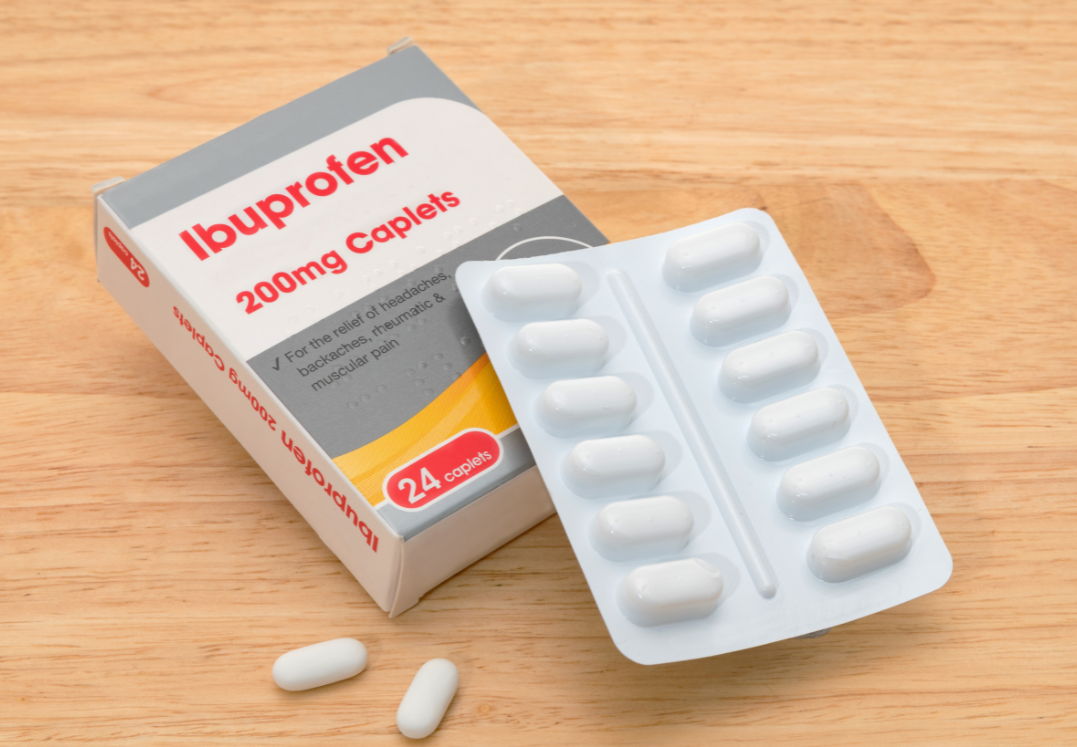
For pain and inflammation, non-steroidal anti-inflammatory drugs (NSAIDs) such as ibuprofen can help to relieve cramps and headaches, but regular use may lead to digestive or cardiovascular side effects.
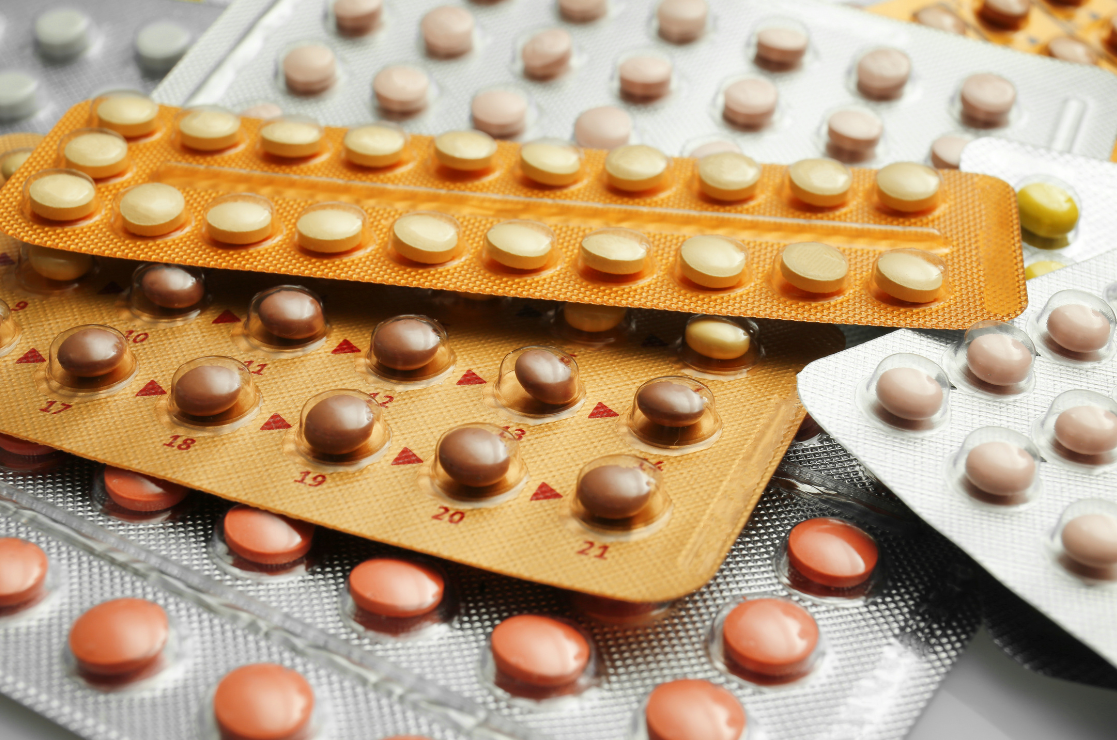
Hormonal contraceptives (the pill) are also used to stabilise hormonal fluctuations and can be effective in alleviating certain symptoms, but they may cause side effects (weight gain, water retention, mood swings) and are not suitable for all women.
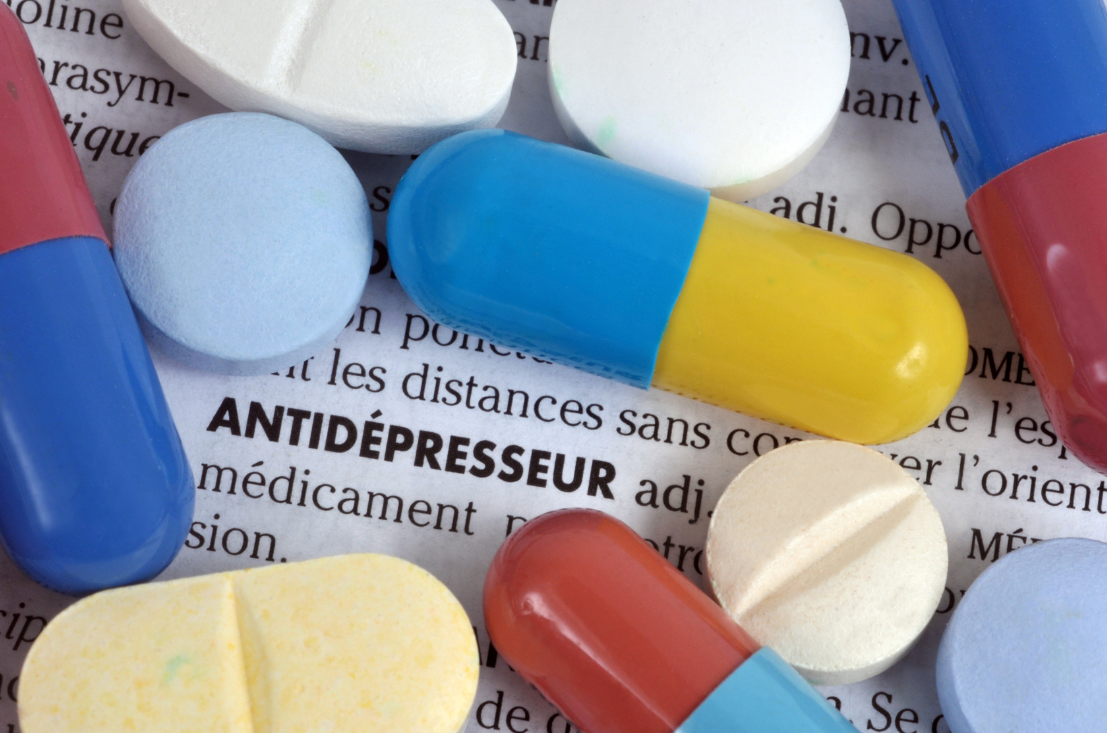
In more severe forms, particularly premenstrual dysphoric disorder, medicines such as SSRI antidepressants act on serotonin and alleviate emotional symptoms, but they can cause side effects such as nausea, fatigue, sleep disturbances or sexual dysfunction.
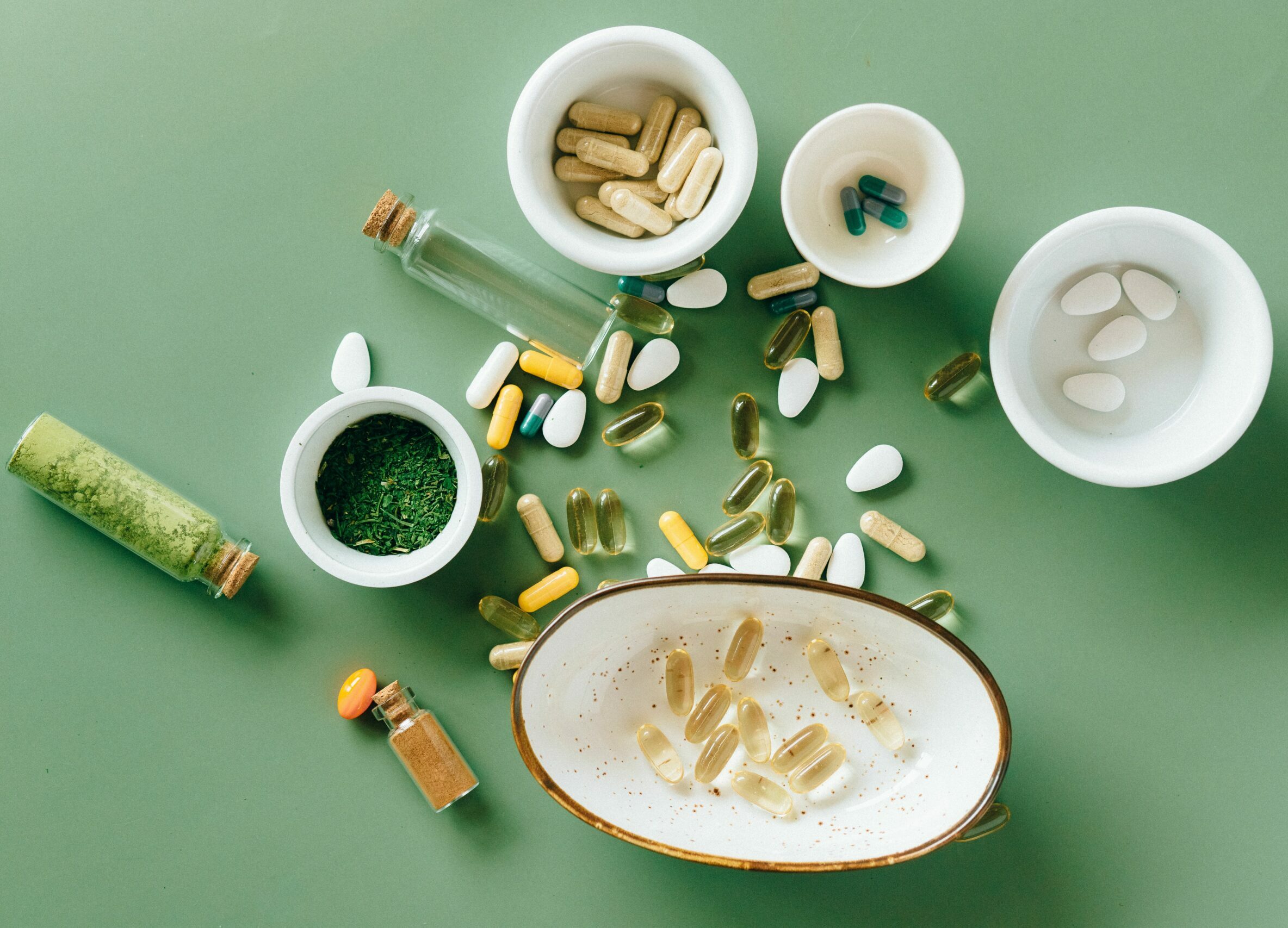
Finally, some women turn to dietary supplements (calcium, magnesium), but most of these products are designed to target specific symptoms individually, such as pain, anxiety or sleep problems, rather than the full range of premenstrual symptoms.
Moreover, according to the 2026 Toluna survey on dietary supplements, only 14 per cent of women who regularly take dietary supplements for their health also take them for the premenstrual symptoms they experience.
It is therefore high time to offer women a natural, effective and healthy solution to help them cope with menstrual symptoms.
The endocannabinoid system plays a central role in regulating inflammation, pain, mood and sleep, which are the main symptoms of premenstrual syndrome.
The endocannabinoid system is a biological network present at the cellular level throughout the body, involved in the fine-tuning of numerous key processes such as the immune response, pain perception and emotional regulation.
In the context of PMS, this system primarily acts on inflammation: via CB-2 receptors, it can modulate the activity of the immune system and limit the production of inflammatory mediators, particularly prostaglandins, which are responsible for premenstrual cramps and pain.
It also plays a direct role in pain perception by acting on the CB-1 receptors in the nervous system, which are capable of reducing the transmission of pain signals.
Furthermore, the endocannabinoid system has a profound influence on the brain: the CB-1 receptor interacts with neurotransmitters such as serotonin, which is involved in regulating mood, stress and sleep.
CiBium, an ingredient developed by Sesqium, is an innovative natural solution for managing all the symptoms of premenstrual syndrome.
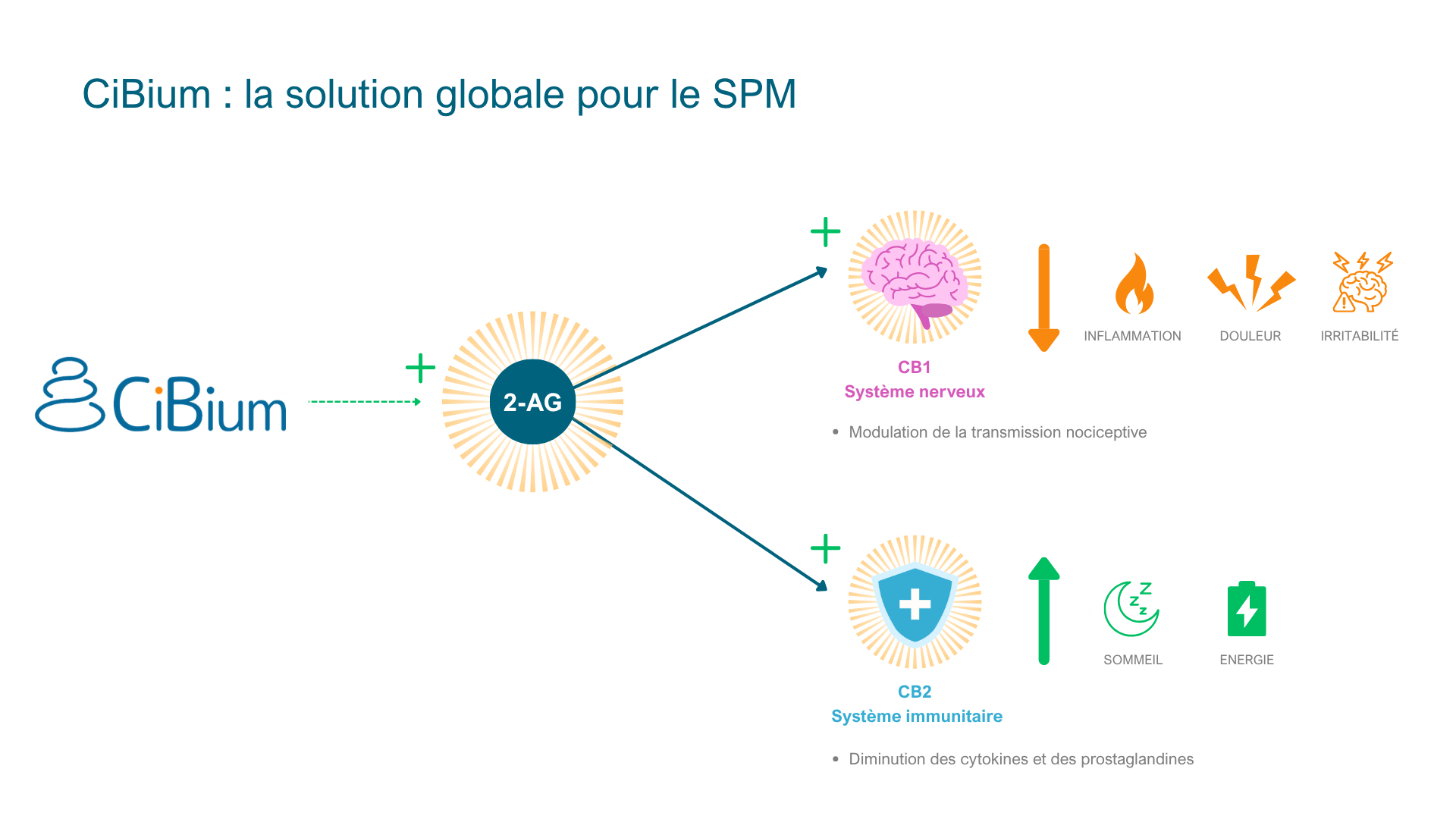
CiBium acts on the endocannabinoid system by increasing the concentration of 2-AG, the main ligand naturally present in the body. This enables full and prolonged activation of the two cannabinoid receptors, CB-1 and CB-2.
This results, via the activation of CB-2, in an improved immune response and a reduction in inflammatory markers such as prostaglandins, through the reduction in the expression of cyclooxygenase-2 (COX-2).
The CB-1 receptor helps to reduce the transmission and perception of pain associated with uterine and breast inflammation.
Finally, activation of the CB-1 receptor reduces the release of GABA and indirectly helps to rebalance neurotransmitters such as serotonin, thereby contributing to a soothing and anti-stress effect.

Premenstrual syndrome affects the vast majority of women, yet remains largely misunderstood, both in terms of its causes and its symptoms: inflammation, pain and mood disturbances.
Women affected by PMS are looking for natural ways to manage it, but are unable to find a satisfactory, comprehensive solution.
The endocannabinoid system offers a promising approach to managing PMS symptoms by activating the CB-1 and CB-2 receptors, which modulate the body’s nervous and immune responses.
CiBium is a natural and innovative ingredient that fully activates the CB-1 and CB-2 receptors to enhance the effectiveness of the endocannabinoid system and provide a better response to the symptoms of premenstrual syndrome.

– CiBium – Sesqium Consumer Survey – 2026
Produits liés :